

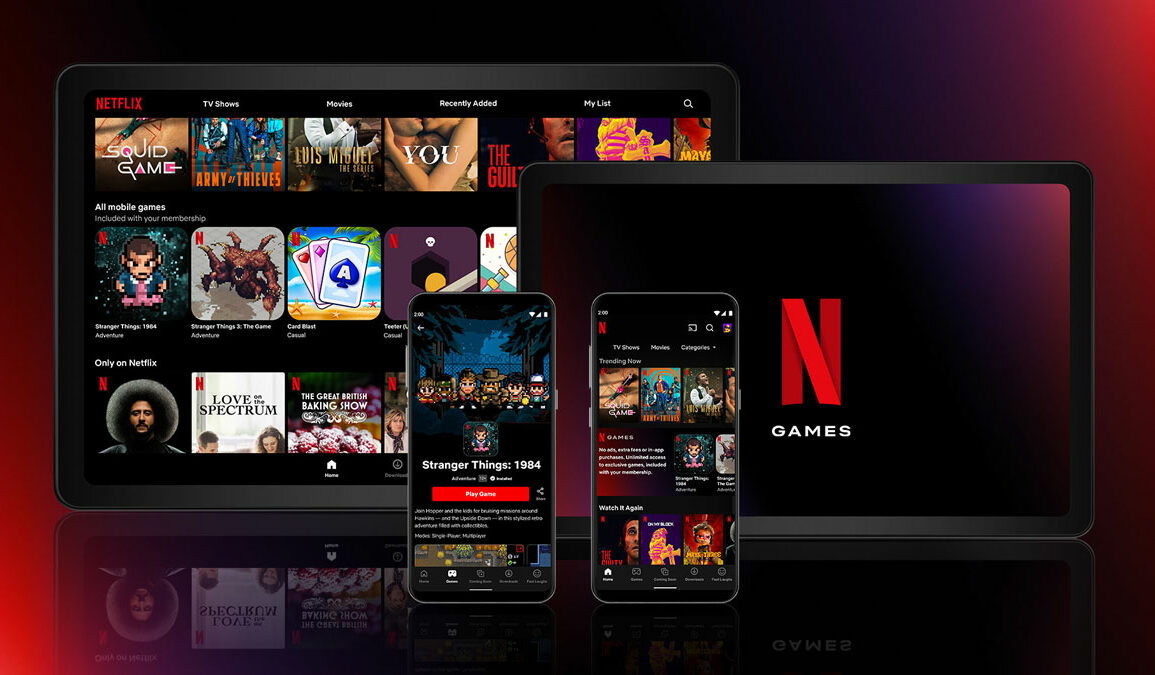
Netflix has decided to double-down on its gaming ambitions, and is building its own game studio to build games for the platform. It will no longer (exclusively) rely on third-party, external companies to build the games for its gaming platform, meant to entice more people to subscribe to its services. The streaming giant is forming an in-house game studio in Helsinki, Finland to create “world-class” original games without ads or in-app purchases.
Read: Google Stadia is discontinued, purchases to be refunded
It is leaning heavily on experience from the mobile gaming market that has proven itself time and time again – former Zynga and EA veteran Marko Lastikka will serve as director. According to Netflix, Helsinki is seen as the home to some of the “best game talent” in the world, and will tap into that impressive talent pool.
It started with The Walking Dead mobile developer Next Games, which Netflix bought in March. Netflix has purchased multiple developers, including Boss Fight and Oxenfree creator Night School Studio, but hasn’t built a developer from scratch until now.
According to Netflix, we shouldn’t expect to see any games from the newly formed studio for “years”, cementing its commitment to the industry. Where Netflix initially depended on outsiders’ games, including slightly tweaked versions of existing titles, it’s increasingly focused on truly unique projects you won’t find elsewhere.
The Netflix Games service will go head-to-head with the likes of Apple Arcade, but it comes at no additional cost to the base Netflix subscription.

Netflix is also working closely with Ubisoft, which will see both a live-action Assassin’s Creed television series developed, and a Netflix-exclusive mobile game.
It is unclear whether the Netflix studio intends to develop games exclusively for mobile, or if it will also target the home console market. Eric Seufert, an independent industry analyst, said he thought Netflix is making “pretty substantial investments” into the gaming industry.
“If they want to utilise a lot of the IP that they have, they probably have to build a lot of those games themselves,” he said, “because working with external publishers on IP licencing deals becomes very tedious and complex. They have so much data on customer preferences on the video-streaming content side, my sense is they can probably bring some of that to bear. I think ultimately what they want to do is utilise these games as part of the product content package, and then funnel into the Netflix universe.”
