

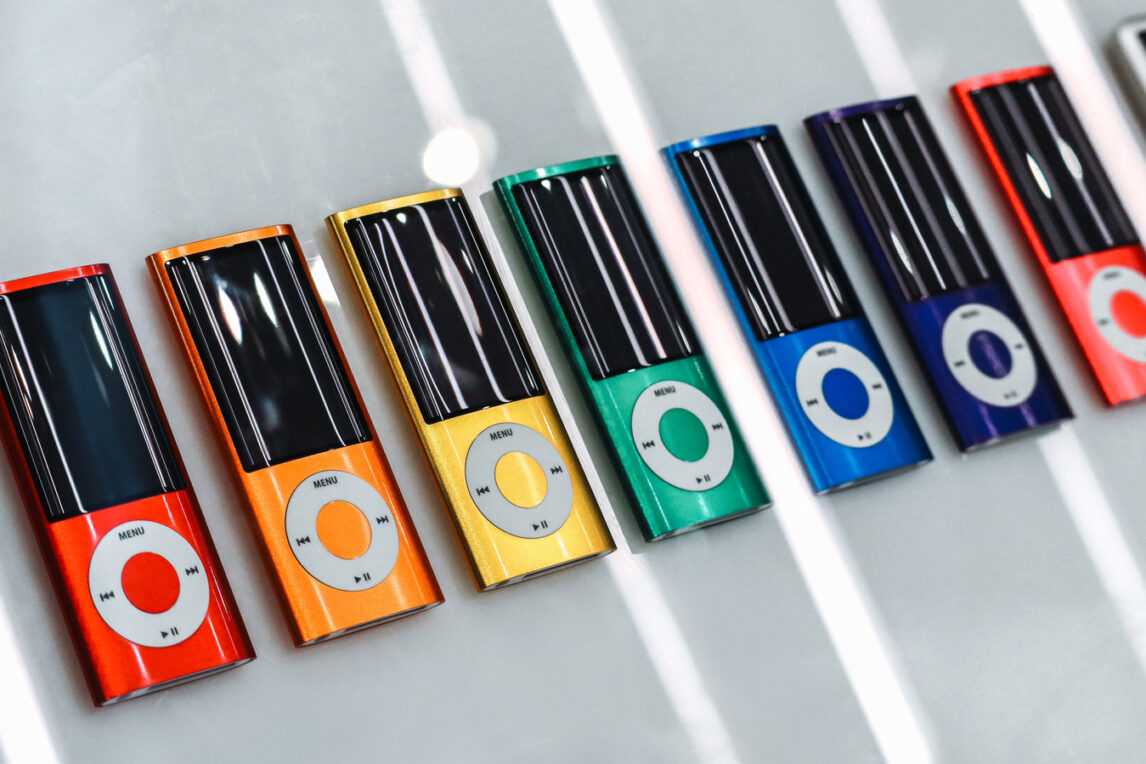
As modern technology protrudes increasingly into our daily lives, a growing segment of the younger generation is pushing back. Fatigued by algorithmic feeds and the aggressive rollout of generative AI, Gen Z isn’t abandoning technology entirely, instead, they are rolling it back to the late 2000s. While older generations remember that era for the financial crisis, today’s youth view it as the golden age of “peak gadgets.”
Read: Meta rolls out WhatsApp plus in South Africa for R29 p/m
Apple officially retired the iPod line in 2019 with the final iteration of the iPod Touch, completing a decade-long transition where the iPhone swallowed every standalone device in its path. Yet, legacy click-wheel hardware is suddenly seeing a massive spike in market demand.
According to data tracking the trend:
- eBay Search Surges: Searches for the iPod Classic jumped by 25%, while interest in the iPod Nano climbed 20%.
- Demographic Shift: While nostalgic older collectors represent a portion of the market, an informal survey by researcher Emily White revealed that Gen Z constitutes a 32% plurality of active buyers.
There is a delicious cultural irony in the iPod’s second act. During its initial run, the device was the ultimate instrument of corporate homogeneity. It was an iconic status symbol, universally recognized by minimalist silhouette advertisements and the telltale flash of white earbud wires.

Today, the exact same gadget that once signalled total assimilation into the tech zeitgeist now represents the exact opposite: a badge of retrograde iconoclasm and a quiet rejection of the smartphone panopticon.
By carrying a device that only plays downloaded MP3s, users are reclaiming intentionality over their attention spans. Of course, if these wayward youths truly wanted to strike a blow against the digital establishment, they would track down a Microsoft Zune, now that would be a real countercultural statement.
