

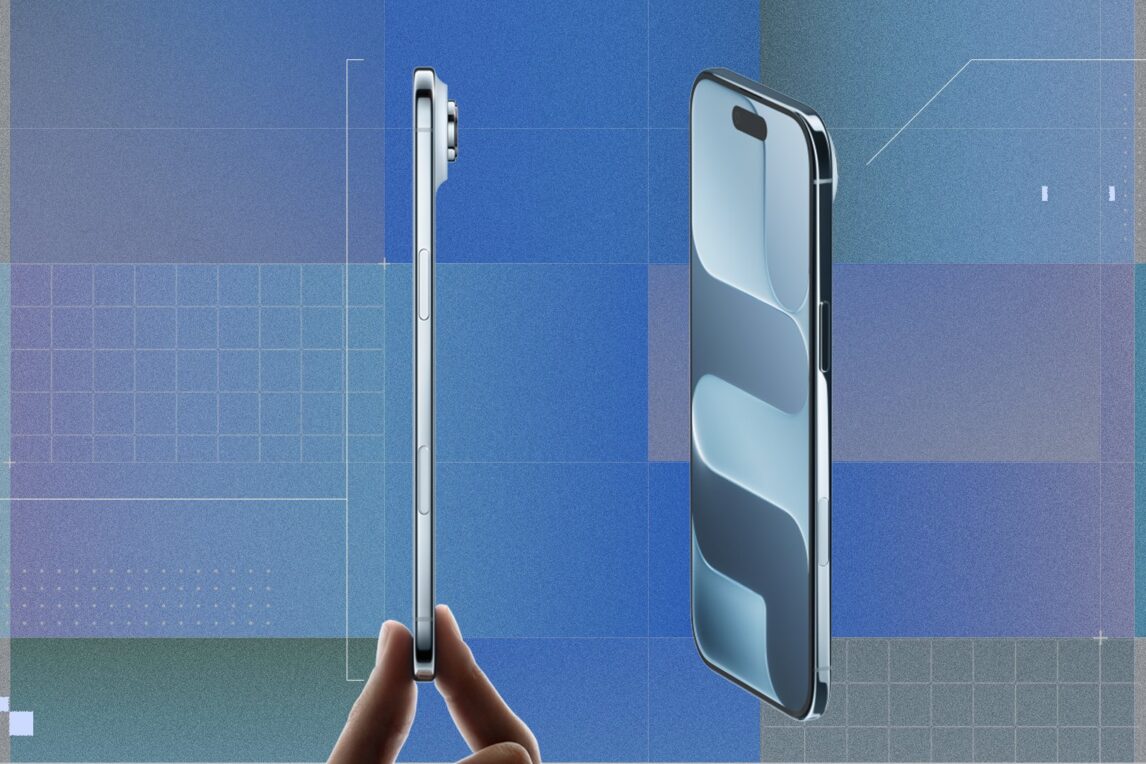
Apple’s recent launch of the iPhone Air raises questions about its product strategy, particularly the marketing tactic of “anchoring.” This practice involves positioning a less appealing product near a more desirable one to make the latter seem like a better value. With the new iPhone Air, Apple appears to be using this method to push consumers toward a more expensive but less practical device.
Read: Study finds signs of accelerated aging in stem cells exposed to space
The iPhone Air is a dramatically thinner phone, measuring just 5.64mm deep compared to the iPhone 17’s 7.95mm. It also features a more powerful A19 Pro chip and a slightly larger 6.5-inch display. However, these are its only real advantages. Phones have been getting bigger for years, and few people have complained about their thickness, especially since a thicker design often allows for better ergonomics and more features. The compromises made to achieve the Air’s slim profile make it a questionable choice for most consumers.
When you compare the iPhone Air to the standard iPhone 17, the Air’s flaws become obvious. The iPhone 17 is a superior device in nearly every way that matters to a user. It has a longer battery life and a dual-camera system with two 48-megapixel lenses, while the Air has only a single lens. Yet, the iPhone Air starts at $999, while the iPhone 17, which offers a better overall experience, retails for just $799. For most people, the iPhone 17 is the clear and logical choice.

Despite its flaws, the iPhone Air signals the future direction of Apple’s product roadmap. The company has a clear desire to slim down its devices and eliminate older technologies, like physical SIM cards. The Air is likely a test case for these changes, paving the way for a thinner form factor across the entire iPhone lineup. It could also be a stepping stone toward a future foldable device, as competitors like Samsung and Honor are releasing foldables that are around 9mm thick when closed.
While the iPhone Air may be an interesting glimpse into Apple’s future, it’s a compromised product that nobody asked for. Unless you want to be a beta tester for Apple’s hardware plans, the standard iPhone 17 offers a far better value and a more practical user experience.
