

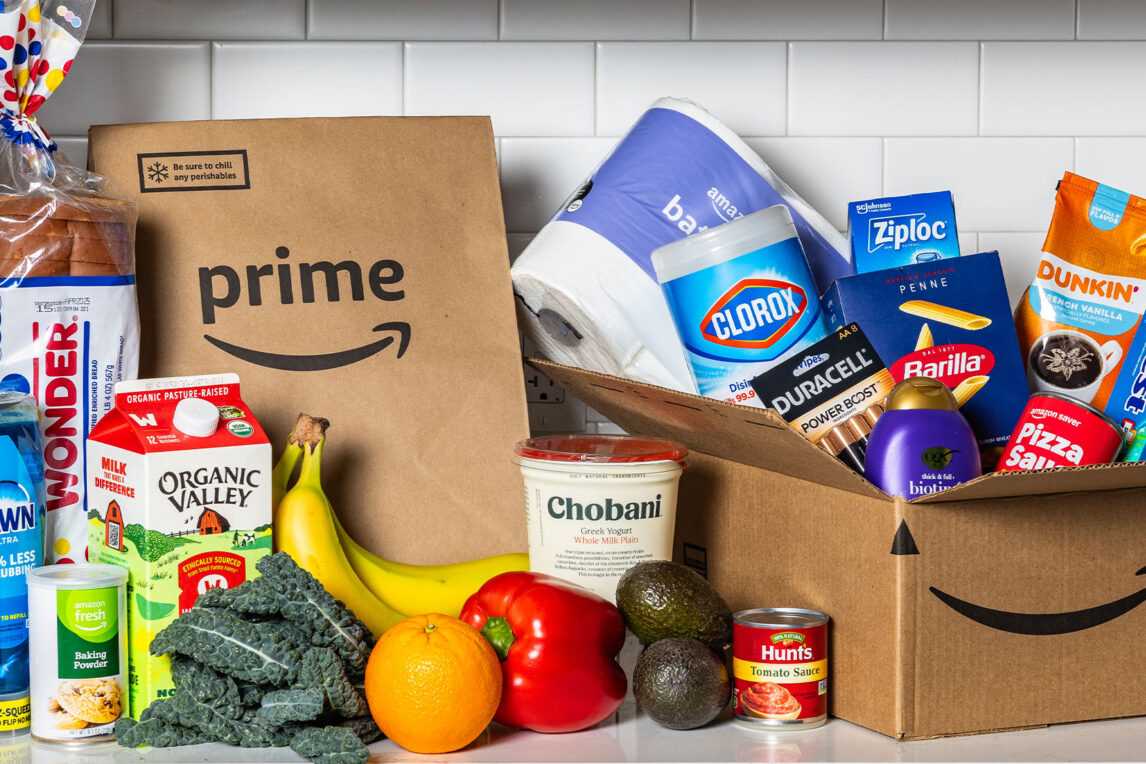
Amazon.co.za has significantly expanded its product range by launching three new everyday essentials categories: groceries, pet food, and vitamins and supplements. These new offerings, available on the Amazon.co.za website and mobile app, include thousands of items, many with free standard same-day or next-day delivery.
Read: Bandwidth Blog & Smile 90.4FM Tech Tuesday: Alzheimer’s Blood Test!
This expansion introduces thousands of non-perishable food items to customers across South Africa, marking a major milestone for Amazon’s growth in the country. Amazon states this move addresses some of the most frequently requested product types. The grocery selection features international brands like Nestlé, Red Bull, and Starbucks, alongside popular local favourites such as Beacon, Simba, and Koo.
Robert Koen, Amazon’s Managing Director for Sub-Saharan Africa, explained this expansion is part of the retailer’s strategy to become a comprehensive one-stop shopping destination for South Africans. “Early data indicates strong customer interest across all three categories. In groceries, coffee, tea, cereals, pasta, cooking oils, and canned goods are emerging as top sellers,” Koen noted. He added that pet food, covering options for various animals, has seen particular demand for premium nutrition brands. Philile Mabolloane, Amazon South Africa’s Retail Head for Consumables, affirmed the company’s commitment to continuous product selection growth, aiming to “simplify shopping for busy South Africans while offering excellent value.”
This strategic expansion positions Amazon.co.za to directly compete with established physical retailers and other e-commerce players in the fast-moving consumer goods (FMCG) and grocery sectors. Amazon previously indicated that everyday essentials were its top-selling products in its first year, including items like toilet paper, dishwashing tablets, and nappies – categories that also rank high for South Africa’s largest online retailer, Takealot.

The increasing trend of South Africans seeking bargains on groceries and FMCG, particularly during sales events like Black Friday, creates fertile ground for online retailers. According to Gareth Paterson, NielsenIQ South Africa Client Strategy Director, this value-seeking behaviour, traditionally focused on high-ticket items, is now extending to groceries. He anticipates “a similar appetite among grocery shoppers for finding value and convenience on digital platforms,” with personal care, diapers, and fragrances poised for faster growth.
Online retailers like Amazon and Takealot hold several advantages over traditional brick-and-mortar stores such as Shoprite and Pick n Pay. Firstly, their platforms host numerous resellers, fostering competitive pricing and offering consumers a wider array of choices. Secondly, without the overheads of physical stores and staff, their operating costs are significantly lower, potentially enabling them to offer lower profit margins and undercut conventional retailers on grocery and FMCG listings. Both retailers are also backed by international tech giants with substantial financial resources. While on-demand services like Checkers Sixty60 excel in impulsive, low-volume shopping, Amazon and Takealot could gain an edge in bulk deliveries, appealing to consumers willing to wait a day or two for the best prices on periodic orders.
