

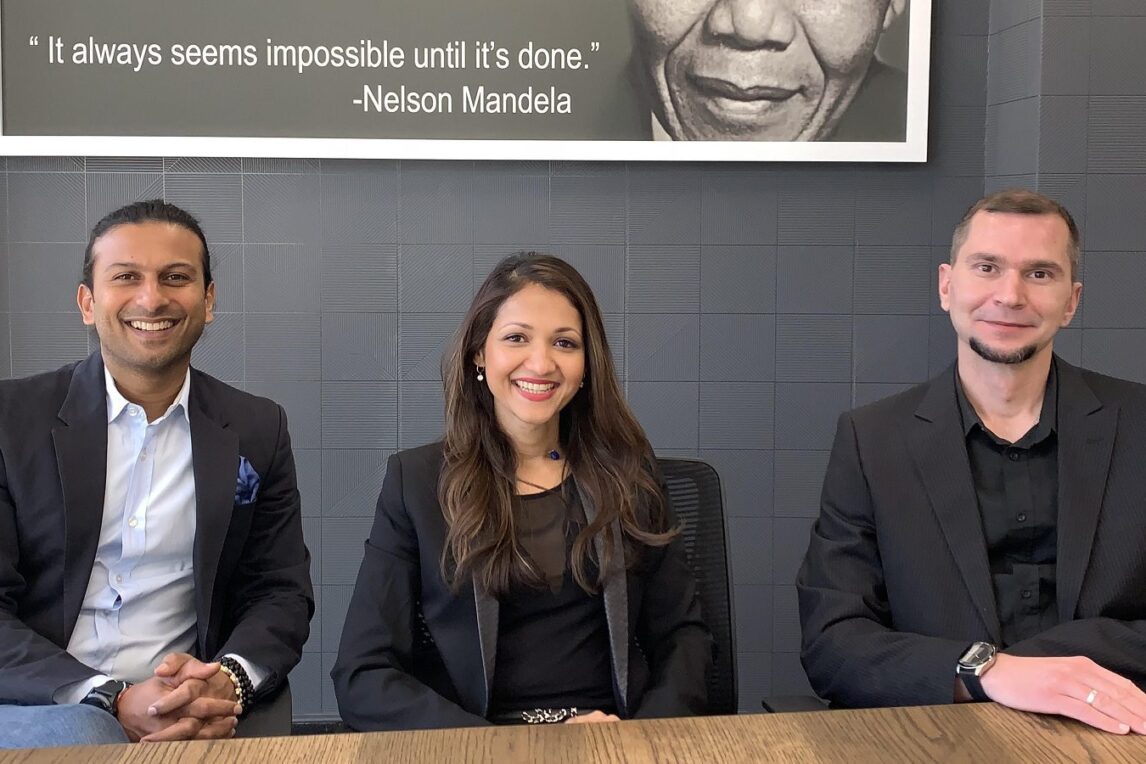
London-headquartered Envisionit Deep AI, founded in South Africa, employs computer vision and pattern recognition to aid doctors in diagnosing diseases from medical images like X-rays, MRI, and ultrasound.
Read: Samsung Galaxy Z Fold 7 rumoured to be the thinnest foldable
In South Africa, they target occupational healthcare, partnering with mining companies to analyze mineworkers’ chest X-rays for early detection of lung diseases. CEO Jaishree Naidoo highlights the speed of their AI algorithms, providing near-instant analysis to doctors.
Driven by the resource gap in radiology, Envisionit’s technology bridges this divide. Their initial deployment at Robert Mangaliso Sobukwe Hospital during the Covid-19 pandemic demonstrated its effectiveness in triaging pneumonia cases with limited specialists.
Envisionit has developed tools for mammography (breast cancer) and dermatology (Dermify for skin conditions). Their initial focus on X-ray technology was strategic due to its widespread availability in hospitals.
Participation in Google For Startups Accelerator and a £13-million investment led to the company’s headquarters moving to London in 2020, providing access to more mature AI markets and investors.

This relocation spurred a strategic shift towards meta-analytical AI. Their product, Ratify, integrates with existing computer vision diagnostic tools, facilitating better interaction between medical professionals and AI, and improving accuracy. Ratify also enables companies to benchmark AI models against diverse populations to identify and mitigate biases and even build their own AI tools.
Initially improving Envisionit’s own models’ accuracy by up to 10%, Ratify is now the company’s primary focus, empowering clients to develop their own AI diagnostic solutions rather than Envisionit creating new tools themselves.
