

Read: Snapchat Plus subscription service launched
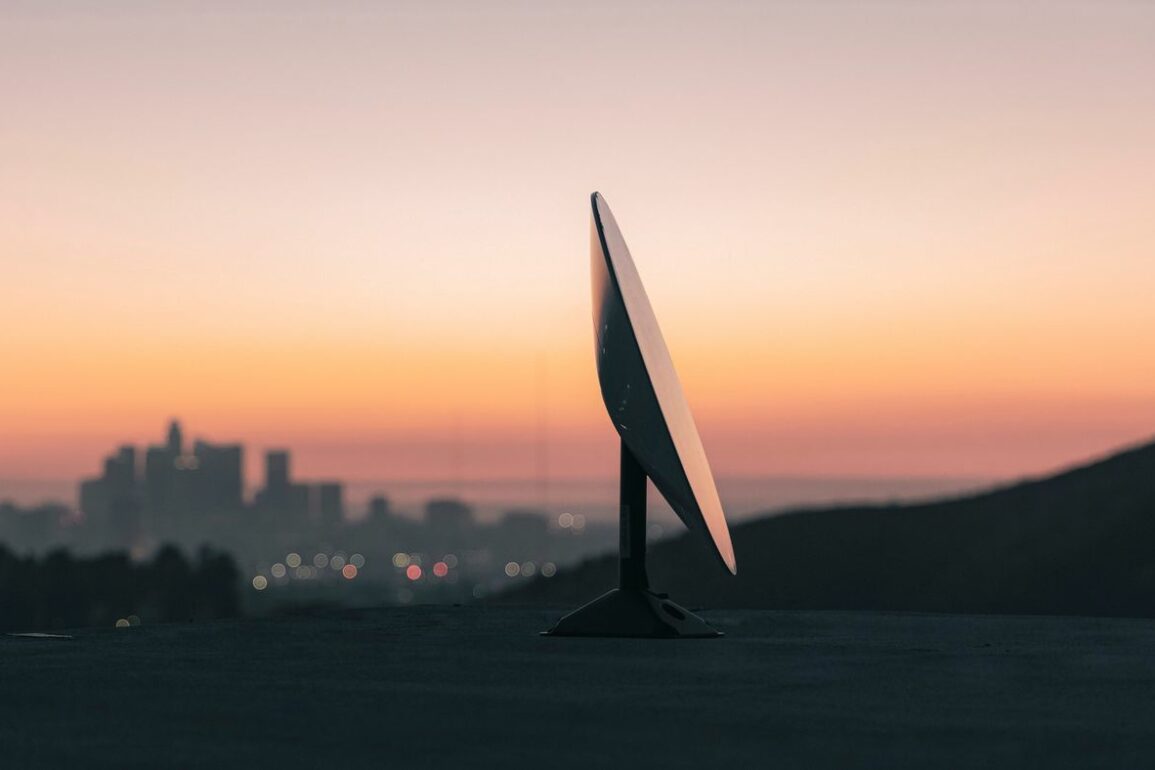
The company applied for this licence from the Federal Communications Commission (FCC) back in March 2021, with the application revolving around its Earth Stations in Motion (ESIM) Starlink terminals being used in moving vehicles. Customers are linked into the system with a personal ground-based antenna that receives the broadband internet coverage. It connects with any orbiting Starlink satellites that happen to be overhead. This is now the first time these antenna will work while on the move – previously the dishes have had to remain in a fixed location in order to access the system.
The same authorisation has been granted by the FCC to another similar service from a company called Kepler Communications. It paves the way for a new class of user terminals that can connect to broadband-beaming satellites while on the move.

“We agree with SpaceX and Kepler that the public interest would benefit by granting with conditions their applications,” the FCC wrote in its authorization, dated June 30th 2022. “Authorizing a new class of terminals for SpaceX’s satellite system will expand the range of broadband capabilities to meet the growing user demands that now require connectivity while on the move, whether driving an RV across the country, moving a freighter from Europe to a U.S. port, or while on a domestic or international flight.”
Customers who want to order Starlink must purchase the kit — which comes with a user terminal — for $599 and then pay a monthly fee of $110. SpaceX has made it clear that it wants to expand Starlink beyond just residential customer use, though.
