

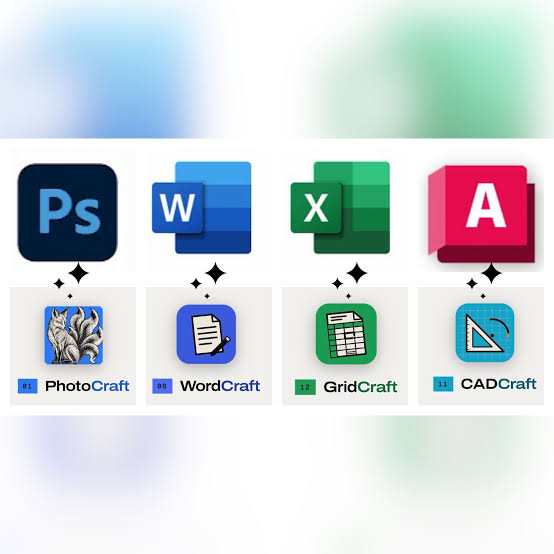
Vibe coding has taken a transformative turn as developers leverage artificial intelligence to reverse-engineer mainstream software and bypass traditional subscription models. Earlier this month, a software developer motivated by frustration with Adobe’s subscription policies used the Claude AI model to reverse-engineer essential Creative Cloud applications, including Photoshop and Lightroom. The development team subsequently used the extracted data to construct open-source clones of those proprietary programs, offering identical core functionality that anyone can download and modify for free.
Read: Amazon unveils new Alexa Tablet lineup featuring Nanomatte displays
The rise of AI-driven software cloning has sparked intense debate across the tech community. While some observers argue that subscription-fatigued users are justified, critics view the practice as unauthorized piracy. Furthermore, the speed of AI adoption has created complex legal ramifications regarding patents and copyright that courts have yet to resolve.
For years, established open-source alternatives like GIMP for Photoshop, Darktable for Lightroom, or DaVinci Resolve for Premiere have existed. However, most users have resisted adopting them due to the high switching costs of learning a new interface after building years of muscle memory within Adobe’s ecosystem.
To overcome switching costs, software developer Brandon Thomas and his team launched Artcraft in early October, pitching its apps as one-to-one replacements for Creative Cloud programs featuring familiar user interfaces, zero subscription fees, and fully owned source code. Thomas utilized Claude Opus 5.5 to produce clean-room, pure Rust versions of each program after getting trapped by Adobe’s cancellation fees.
Testing of Photocraft, the Photoshop replacement, revealed surprising utility:
- Core Capabilities: Handles everyday tasks like image resizing, masking, and colour adjustments seamlessly.
- Interface Design: Menus and controls are nearly identical matches for Photoshop, allowing for an immediate transition without a steep learning curve.
- Current Limitations: Users have reported critical bugs, including accidental image deletion, random layer merging, and general instability. Additionally, the software cannot open native Photoshop PSD files.
Beyond Adobe, the trend is scaling rapidly through tools like REA (Reverse Engineer Anything), which accumulated 87,000 forks and 346,000 stars by October 20.

- Automation: REA inspects applications without source code, explains how features work, and builds matching versions for new projects.
- Device Firmware: The technique extends to firmware in consumer electronics, including televisions, refrigerators, and smart frames.
- Gaming Sector: AI-driven decompilation has overtaken community efforts, leading to complete decompilations of classic titles like Tiger Woods PGA Tour 2004, Final Fantasy Tactics Advance, and Metroid Prime, and causing the human-led repository site decomp.dev to shut down.
While supporters praise the speed and execution of AI-assisted development, critics dismiss early clones like Photocraft as maintainable risk or copyright infringement. Although the Artcraft team insists they never used a single line of Adobe’s actual code, their creations may still violate trademarks and patents, and Adobe’s terms of use explicitly prohibit reverse engineering.
Even so, projects like Artcraft and REA have opened Pandora’s box. A single person equipped with advanced artificial intelligence can now accomplish feats that once required an entire team of engineers, potentially forcing major software corporations to fundamentally rethink business models that many consumers despise.
