


Read: Bandwidth Blog & Smile 90.4FM Tech Tuesday: Sheryl Sandberg leaves Facebook
Having 5G capabilities in a mid-range device might be important to some, but we don’t believe it is a major selling point due to the immaturity of our 5G networks. So let’s take a more holistic view of the device and see how it stands on its own merits.

Design and Build
When you first unbox the vivo Y76 5G you might be easily convinced that the device is much more expensive that it actually is. The phone is made of plastic, as you would expect at this price point, but it feels more premium than most devices going down this route. There is some slight flex when pressing down on the centre of the back plate, but it’s not a concern for longevity.
The rear is matte for its Midnight Space variant with modest reflectivity – fingerprints will not stick but smudges will appear if light hits it just right. While it wasn’t exactly a fingerprint magnet, the back of the phone was still prone to some smudges that become obvious under the light.
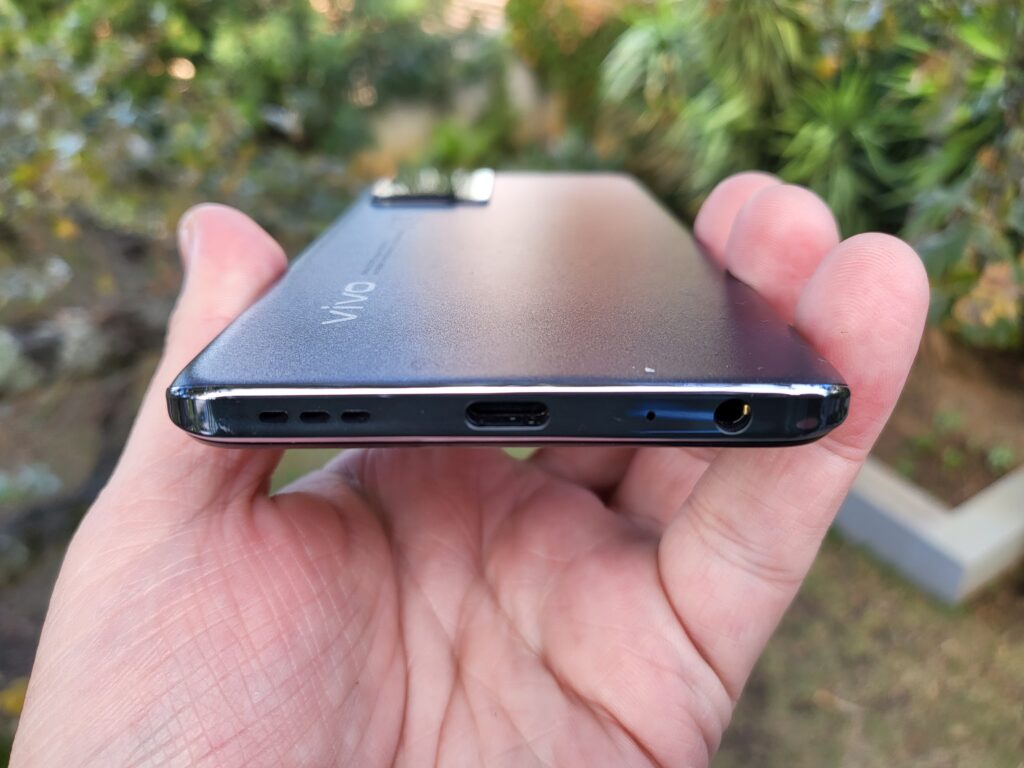
The sides of the device are curved, with a nice feeling metal-like rail running fully around the device. Again, this lends to its premium looking design, reminiscent of much more expensive smartphones. Its volume rocker and power button are all clustered at the right-hand side. The volume rocker feels very tactile and responsive, but for some reason the power button feels very different – softer and mushy.

That power button also houses a fingerprint scanner, which performs fine. On the top of the device you’ll find a dual SIM tray, with one slot also able to house a microSD card. It has a USB-C port for charging at the bottom, as well as the much-missed 3.5mm headphone jack.
The back also houses a large, stylish camera module (which we’ll get to later) that fits in extremely well with the device’s aesthetic. The stepped nature of it is also a lot less jarring than a very high camera bump would be, well done vivo.
Overall we really appreciate the design vivo went with here. It is understated, yes, but it looks classy and stylish without being flash. The quality of the build is mostly very good.

Display
The vivo Y76 5G has a 6.58-inch IPS display at the front coming in at 1080p resolution. It is nothing fancy and doesn’t come with some mainstream features that are being brought to mid-range devices these days, like a 90Hz refresh rate or an AMOLED panel. Its brightness tops out at 420 nits and it shows. There are a lot of reflections and trying to use it in direct light is very difficult. We’re not sure if this has something to do with the coating on the display, the screen protector the device comes with, or simply the lack of brightness.

The colour gamut is surprisingly good for an IPS display at this price point – IPS has largely fallen out of favour. It also has one of the main negatives of IPS panels, a really limited contrast ratio. In other words, the panel doesn’t distinguish well between light and dark.
What it does well is use the space effectively. It is a good phone for media consumption due to the small(ish) bezels and teardrop notch design for the selfie cam.
Software and Performance
The vivo Y76 5G runs Android 11 out of the box, with no update to Android 12 expected anytime soon. With Android 13 launching towards the end of this year, we hope this changes very soon. Being two versions of the software behind is not acceptable. Atop Android runs vivo’s own skin called Funtouch OS, which brings new enhancements to the experience including new widgets, home screen album highlights, and a new grid layout for multitasking.
The performance of the software was our biggest gripe with the Y76. There are several strange quirks with the software (which can potentially be solved with a software update). The most notable is the notification dropdown which tended to glitch when we had ten or more notifications waiting. Pulling down the notifications shade would still display all of them, but some couldn’t be interacted with and others tended to flicker a lot. It’s something we’ve never seen on an Android phone before, so we assume it has something to do with Funtouch.
The device comes with 8GB of RAM and the MediaTek MT6833 Dimensity 700 processor. That would suggest everything would work well, but there may be some compatibility issues with Funtouch and MediaTek. It also comes with 128GB of storage as standard, which should be more than enough for most.
Battery life was really good, however. The 4,100mAh battery, while not the largest, easily got us through the day with more than enough charge remaining. It comes with a 44W fast charging cable in the box, which is capable of charging the device in less than 90 minutes.


Camera
The main camera on the vivo Y76 5G is the standout here – it is a 50MP sensor and takes 12.5MP pictures at default. It uses pixel binning, a much used technology, stitching four pictures together for the best possible image. It is capable of taking a full 50MP photo, but we would advise against that, results may differ.
It is one of the better main cameras you will find at this price point – the dynamic range is good, details crisp (especially in good lighting conditions) and has a very natural look.
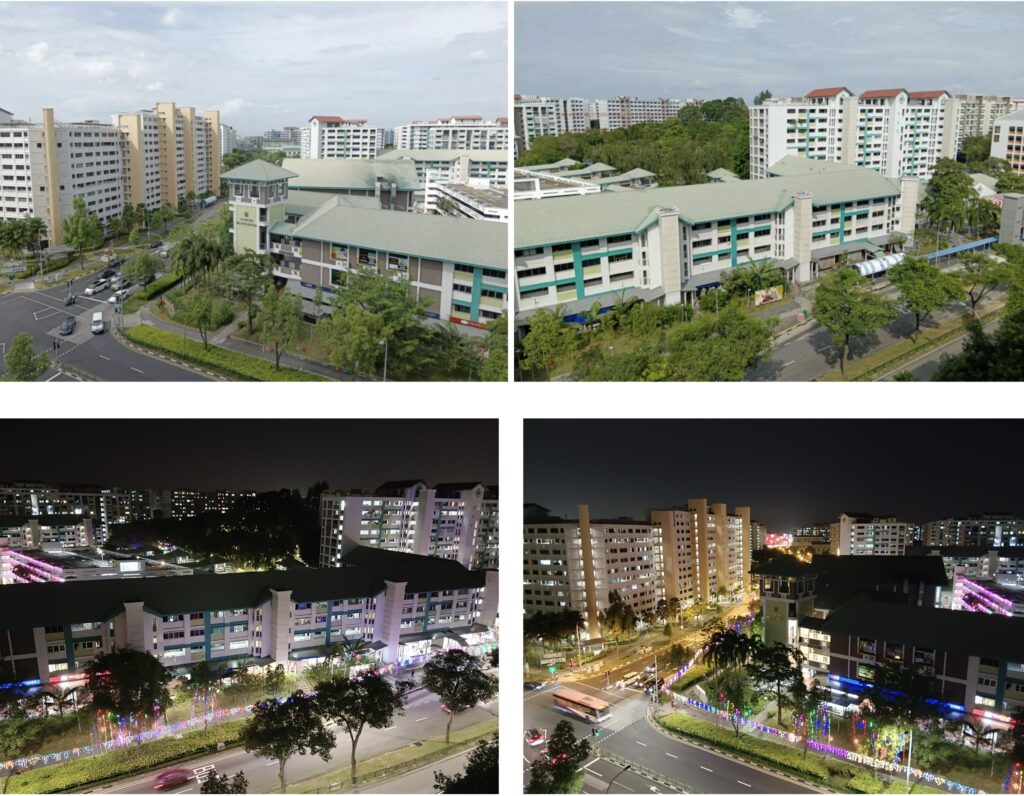
The module technically has three cameras: the 50MP f/1.8 main lens, a 2MP f/2.4 macro shooter, and 2MP f/2.4 depth sensor. The depth sensor is used to assist the main camera produce better images.
As we’ve stated several times before, the trend of adding a 2MP macro sensor needs to be nixed from the smartphone market. They are all extremely bad and only there to boast an additional camera in the marketing. The macro camera on the Y76 is no different, it presents low detail, horrible colour saturation and is neigh unusable.
Conclusion
The vivo Y76 5G is a perplexing device – think of it as a Jekyll and Hyde or a Bruce Banner and Hulk type of situation. It has so much going for it, like great design and feel as well as a truly impressive main camera at this price point. But on the other side, it performs poorly sometimes and lacks some key features competitors at this price has.
It doesn’t have a telephoto camera (and perhaps more egregious a horrible secondary macro), it lacks a bright display (or faster refresh rate), and the software can feel very sluggish at times. Luckily it has good battery life.
vivo is almost there! Some features need a rethink or redesign, but some may be convinced by the beautiful chassis and design. However, there are better options at the same R9,000 price.
