

Apple’s highly anticipated, AI-driven Siri redesign has hit another series of technical roadblocks, potentially derailing the company’s original launch timeline for 2026. According to Bloomberg’s Mark Gurman, internal testing revealed significant software instabilities, including a virtual assistant that was often too sluggish to complete tasks or failed to process queries entirely. The performance issues were reportedly severe enough that developers advised pushing the launch back by several months to avoid a botched release.
Read: Samsung confirms the Galaxy S26 launch event date
Rather than the comprehensive March debut previously rumoured, Apple now reportedly plans to distribute Siri’s new capabilities piecemeal across a series of future software updates. While some features may still arrive with the iOS 26.4 update next month, a fuller version of the assistant is unlikely to stabilize until the release of iOS 26.5 in May, or even the launch of iOS 27 later this year.
The road to a smarter Siri has been notably long and plagued by setbacks. Originally unveiled in 2024, the “new” Siri was marketed as a proactive agent capable of complex cross-app tasks, such as:
- Extracting specific details from photos to update contact cards.
- Executing photo edits via voice command.
- Summarizing notes and automatically drafting them as emails.
While these features were slated for a 2025 release, Apple officially postponed them last year, admitting that the complexity of the features exceeded their initial expectations.

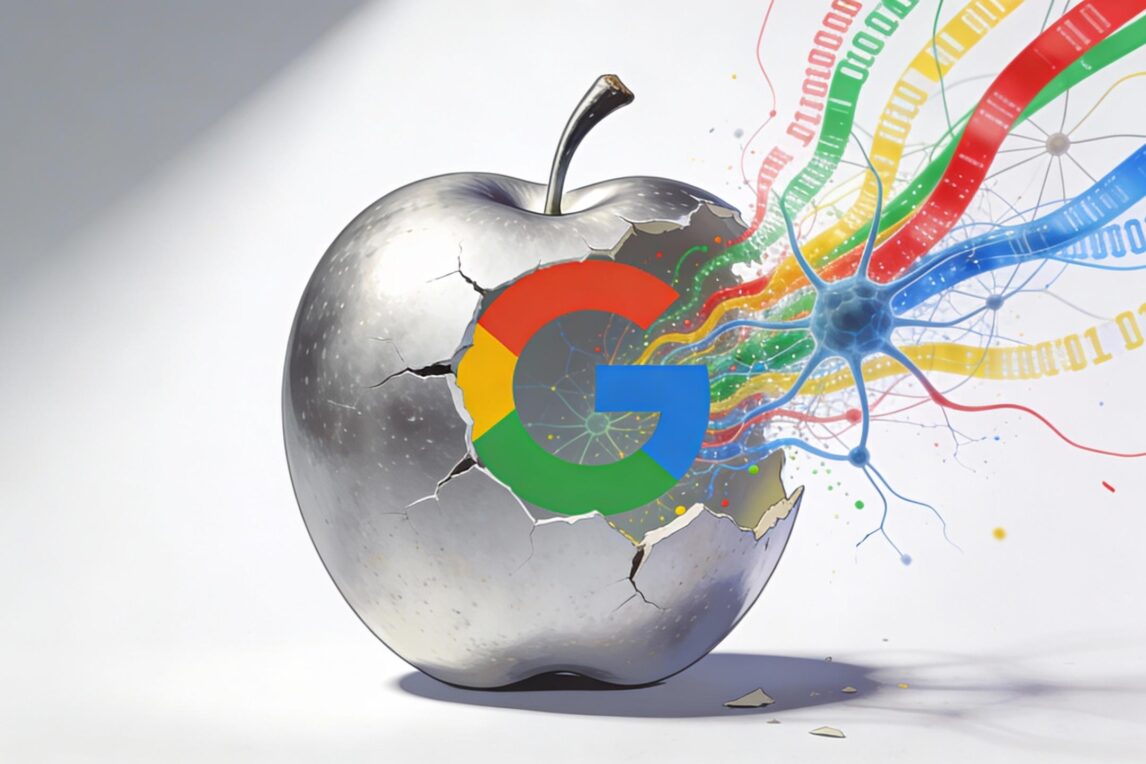
In a significant shift in strategy confirmed this past January, Apple announced that it is leveraging Google’s Gemini models to provide the foundational AI for the revamped assistant. Apple stated that Google’s technology offers the most capable base for its own “Apple Foundation Models,” aiming to transform Siri into a sophisticated chatbot experience comparable to OpenAI’s ChatGPT.
However, integrating these high-level LLM (Large Language Model) capabilities into the iOS ecosystem appears to be the primary source of the current latency and processing issues. For now, users should expect a gradual evolution of Siri rather than the “all-at-once” transformation Apple initially promised.
