


After years of speculation, Apple has finally unveiled its highly anticipated AR/VR device, the Apple Vision Pro headset. This brand new segment product combines augmented reality and virtual reality capabilities, providing users with a seamless and immersive experience. With support for gestures, hand tracking, voice input, and Siri, the Vision Pro enables hands-free interaction with digital objects.
Read: Huawei FreeLace Review: Quirky tunes, questionable beats
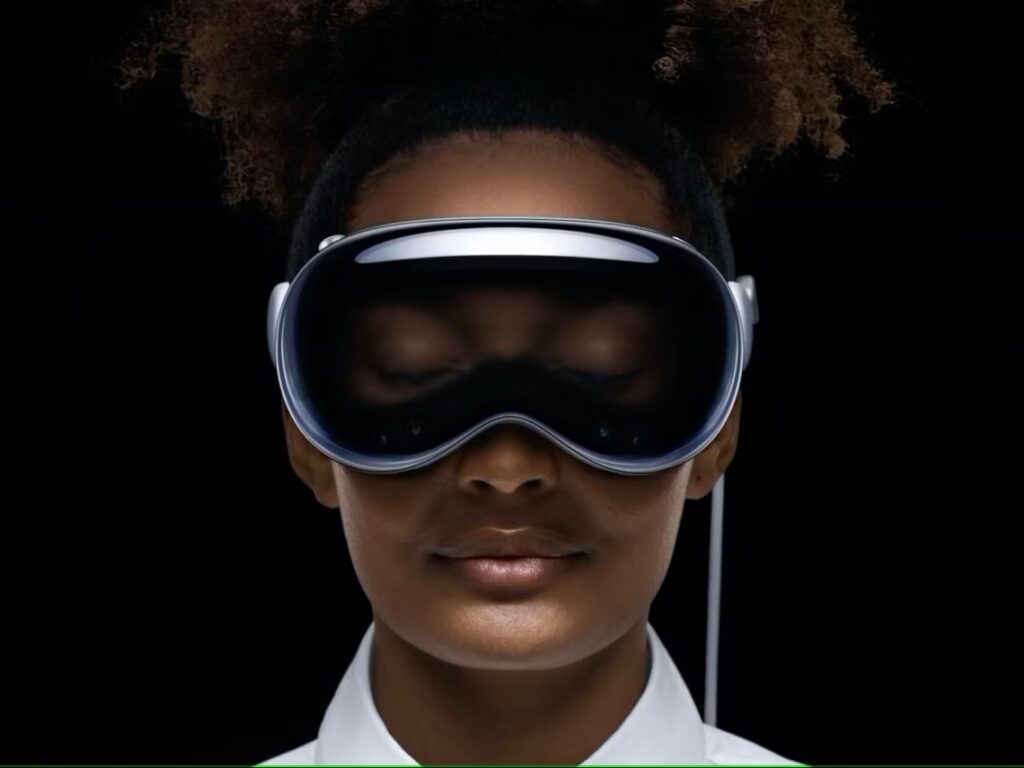
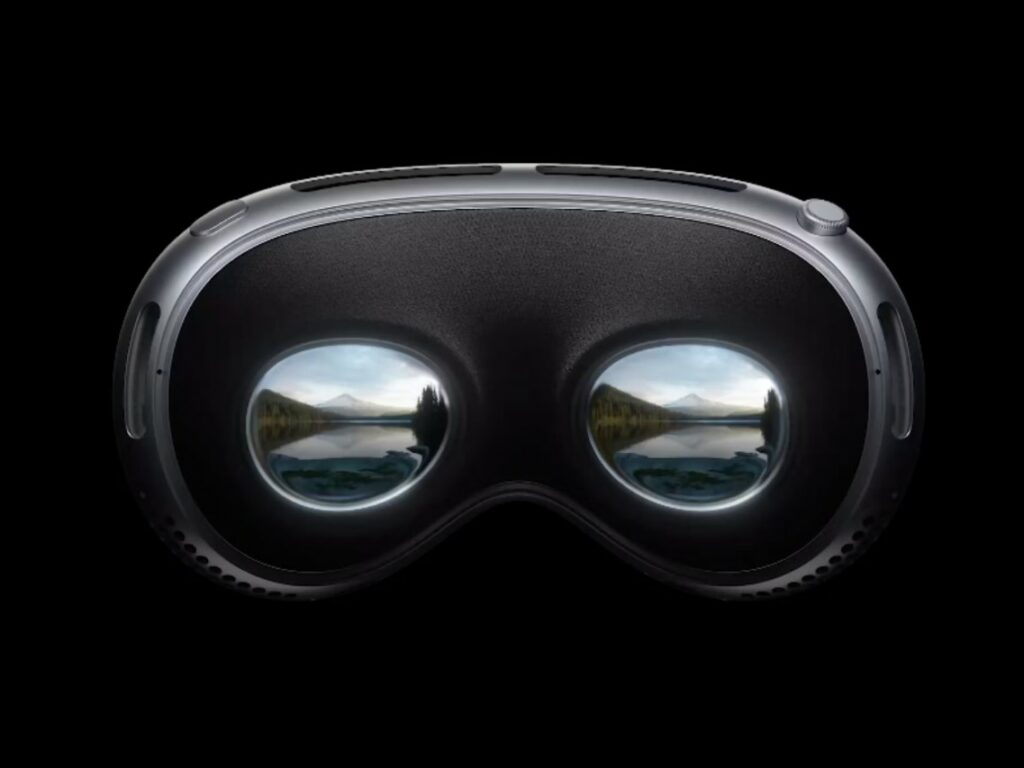
Drawing inspiration from the Mac, iPhone, and Watch, the Apple Vision Pro incorporates familiar design elements. Equipped with an array of cameras and sensors, it can track the user’s hands, eyes, and objects in the surrounding environment. Taking cues from the Apple Watch, the headset features vents on the sides and bottom, as well as a crown. Its breathable fabric strap ensures comfort, while its modular design allows for a customized fit tailored to each individual’s head and face.

One of the standout features of the Vision Pro is its magnetic lens and connection system, eliminating the need for cumbersome cables. The portable battery, although still occupying some space and weight, offers greater comfort compared to competing solutions and easily fits into a pocket.
Display-wise, the Vision Pro boasts an impressive 23 million pixels on each panel. Apple has developed its own lens technology that delivers stunning 4K resolution without any distortion. The headset incorporates EyeSight, allowing users to see through the device. Additionally, an external screen can project the user’s eyes, providing a more natural and transparent experience for those around them.
Audio is another area of focus, with the Vision Pro featuring dual drivers that support spatial audio. The headset utilizes audio ray-tracing to analyse the room and deliver an immersive audio experience.
Powering the Vision Pro is the Apple M2 chip, along with a new R1 chip specifically designed for this device. The R1 chip eliminates lag and processes data from microphones, speakers, cameras, and other sensors. The headset runs on visionOS, which includes a real-time subsystem, foveated renderer, multi-app 3D engine, and support for iOS and spatial frameworks.

Thanks to its powerful hardware and operating system, the Vision Pro natively supports iOS and iPad apps on visionOS. Users can enjoy a wide range of applications right from the start, with access to the App Store for discovering new ones.
The Vision Pro allows users to perform various tasks they are accustomed to on their Mac, iPad, and iPhone devices. From watching movies, browsing the web, playing games, and interacting with friends and colleagues to utilizing FaceTime, iMessage, and virtual keyboards, the headset offers a comprehensive range of functionalities. Professionals can also benefit from the Vision Pro’s capabilities, such as music listening, dictation, and virtual meetings. With visionOS, users can even scale up their Mac’s display, eliminating the need for multiple monitors.
The Apple Vision Pro will be priced starting at $3,499 in the US and will be available for purchase early next year through Apple’s official website and retail stores. It is expected to expand to more countries later in the year, providing users with the opportunity to explore, personalize, and experience the Vision Pro at Apple Store locations.
