

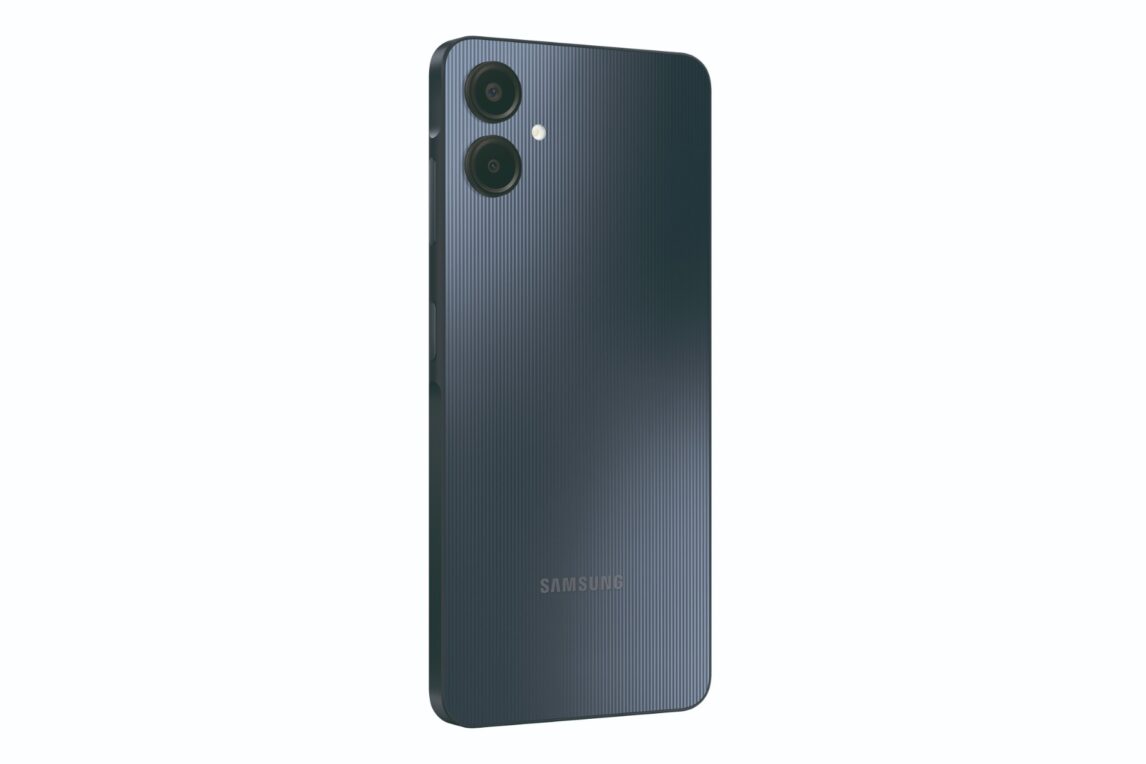
Vodacom has revealed that the Samsung Galaxy A06 was its best-selling smartphone of 2025, underscoring the dominance of entry-level devices in the South African market. As the most affordable entry in Samsung’s A-series lineup, the A06 highlights a clear consumer preference for brand reliability and software familiarity over raw technical specifications.
Read: Nvidia secures multiyear megadeal to power Meta’s AI infrastructure
While an upgraded 5G variant debuted in February 2025, the LTE version remained the primary volume driver for the network. Despite its market success, the device remains a strictly entry-level offering with a 6.7-inch LCD display (60Hz), a Mediatek Helio G58 processor, and 4GB of RAM.
The Galaxy A06’s popularity stems largely from its aggressive pricing. With a recommended retail price of R1,899—and frequent promotional pricing under R1,600—it sits in a highly competitive bracket. However, the device is not without its compromises:
- No NFC: The lack of Near-Field Communication means the device cannot support tap-to-pay services like Samsung Wallet or Google Wallet.
- Performance: While the 5,000mAh battery and 25W charging are solid, reviews have noted lag during demanding tasks.
- Hardware Competition: Rivals from Honor, Huawei, and Tecno often offer superior hardware at the same price point, yet Samsung’s extensive local support network and brand loyalty continue to win out.
Vodacom reported consistent year-on-year growth in smartphone sales, specifically noting strong performances from Apple, Samsung, and Honor. While the mid-tier segment has thrived recently, the industry is bracing for a difficult 2026 due to a global memory shortage.

The scarcity of memory components is expected to disproportionately affect the budget and mid-range segments, where RAM and storage account for a larger portion of the total manufacturing cost. This has led to two worrying trends:
- Price Hikes: While the IDC predicts a modest 3% to 8% increase in average selling prices, Cell C has warned of much sharper hikes reaching 30% to 40% in the coming months.
- Spec Reduction: Some manufacturers are already reducing memory counts on lower-end devices to keep retail prices stable.
Even premium devices will feel the pinch, as the latest AI-capable chipsets require higher amounts of RAM and storage to function effectively, further driving up costs across the board.
