

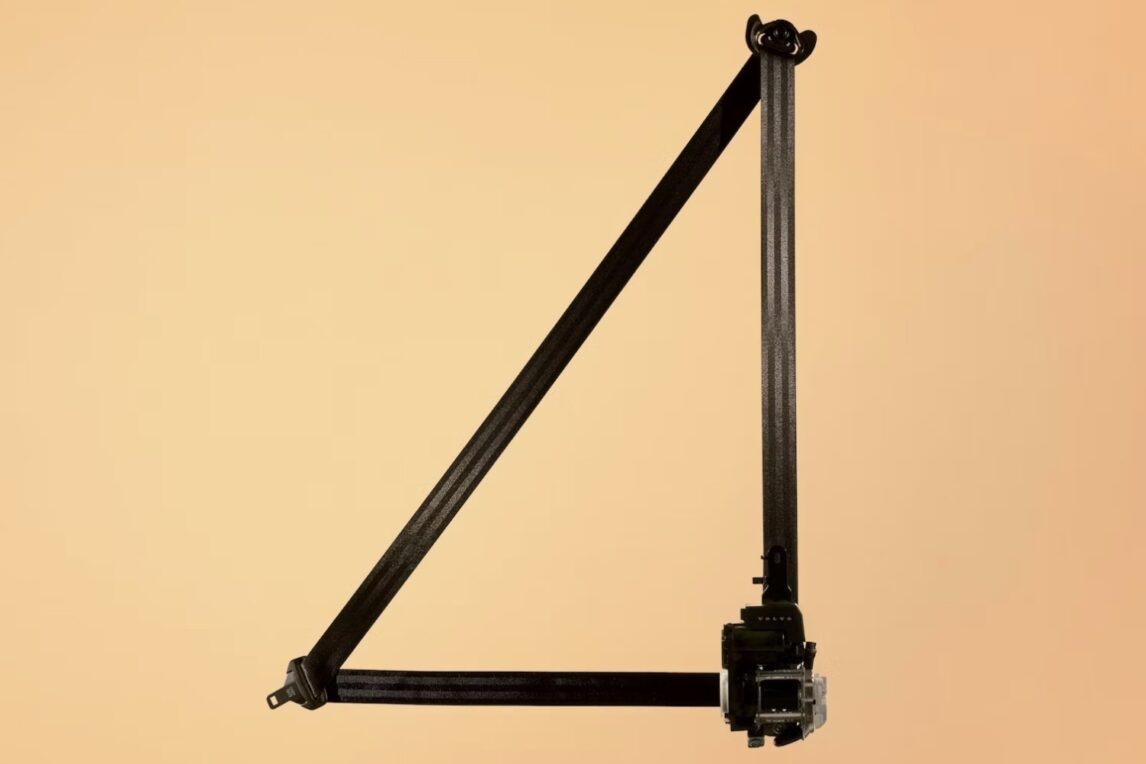
Volvo aims to further enhance its reputation for safety with a new “multi-adaptive safety belt.” This innovative seatbelt uses real-time data from vehicle sensors to better protect occupants during a collision.
Read: Bandwidth Blog & Smile 90.4FM Tech Tuesday: Alzheimer’s Blood Test!
While seatbelt technology hasn’t seen dramatic changes since Volvo patented the modern three-point safety belt in the early 1960s, cars have evolved significantly. Modern vehicles are now equipped with an array of sensors, cameras, and powerful computers that enable advanced driver-assist features and anti-crash technology. Volvo now seeks to integrate these advancements into seatbelt functionality.
Traditional safety belts use load limiters to control the force applied to the body during a crash. Volvo’s new design expands these load-limiting profiles from three to eleven and significantly increases the number of adjustable settings. This allows the seatbelt to tailor its performance to specific situations and individuals. For instance, sensor data can customize the seatbelt’s response based on a person’s height, weight, body shape, and seating position. A larger occupant might receive a higher belt load setting to reduce head injury risk in a crash, while a smaller person in a milder collision would get a lower setting to minimize rib fractures.
During a crash, Volvo vehicles’ safety systems will share sensor data—such as direction, speed, and passenger posture—with the multi-adaptive seatbelts. This data helps determine the optimal force to apply to the occupant’s body. Volvo also promises that these smart seatbelts can improve over time through over-the-air software updates.

Volvo has a history of pioneering safety features. The company notably limits the top speed on all its vehicles to 180 kph, a stark contrast to the 250 kph limit often agreed upon by other German luxury automakers to reduce fatalities on the Autobahn.
The new multi-adaptive seatbelts will first appear in the Volvo EX60, the automaker’s mid-sized electric SUV, which is scheduled for release next year.
