

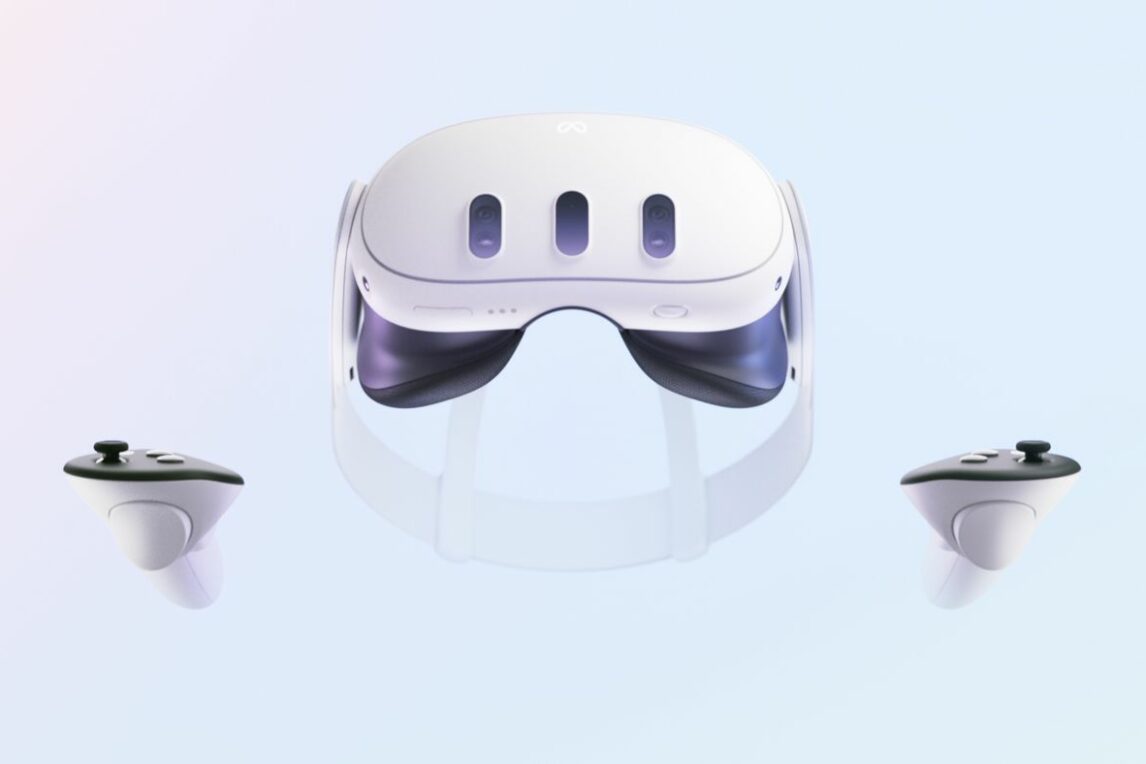
Meta has officially announced its upcoming Quest 3 VR headset, scheduled for release in September. The headset will be available in a 128GB version priced at $499.99, with an additional storage option at an undisclosed price. Compared to its predecessor, the Quest 2, the Quest 3 features a lighter and more comfortable design, with a 40 percent slimmer optic profile (excluding the foam facial interface). It is equipped with a new Snapdragon chip that offers twice the graphics performance.
Read: This is what the ROG Ally costs in South Africa
One of the major advantages of the Quest 3 is its compatibility with Quest 2 games. This means that users can enjoy their existing game library on the new headset. In the announcement, Meta also revealed a significant price drop for the Quest 2. Starting from June 4th, the 128GB version of the Quest 2 will be available for $299.99, while the 256GB version will be priced at $349.99. This reverses last year’s price increase and makes the version with additional storage even cheaper than before.
Furthermore, Meta plans to release a software update for both the Quest 2 and the more advanced Quest Pro, which will improve their CPU and GPU performance and introduce Dynamic Resolution Scaling.
The timing of the Quest 3 announcement is noteworthy, as it precedes Apple’s anticipated announcement of its own mixed reality headset. Additionally, Meta will be showcasing games on its VR platform during an event later in the day, where a new AAA adventure title will be unveiled. Further details about the Quest 3 are expected to be revealed during Meta Connect, an annual event scheduled for September 27th.


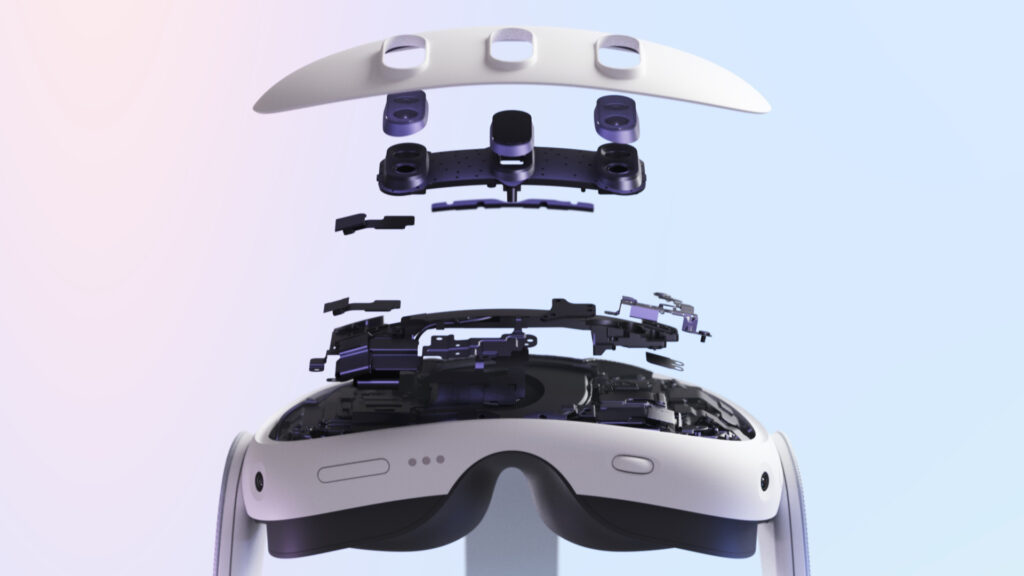
The video accompanying the announcement showcased the three sensor areas on the front of the device, which differentiate it from previous models. The pill-shaped zones feature four cameras, evenly split between the left and right sides, including two full-colour cameras and two standard cameras. There is also a central depth sensor that can enhance the headset’s augmented reality capabilities.
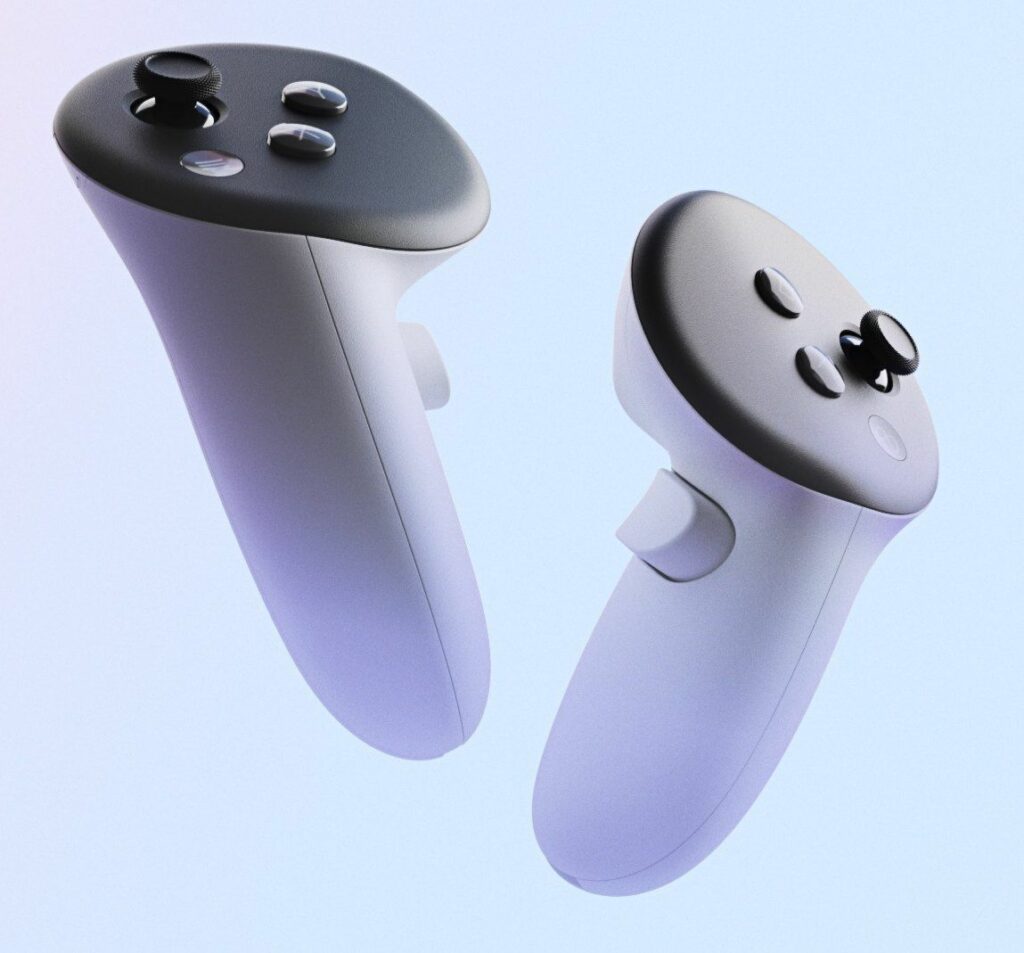
The announcement also highlighted the new Touch Plus controllers with TruTouch haptics, which provide a tactile experience without the previous positional tracking rings. While specific details about the sensor setup were not disclosed, Meta confirmed that the depth sensor would work in conjunction with the controllers, and hand tracking would be supported out of the box in this iteration of the headset.
