

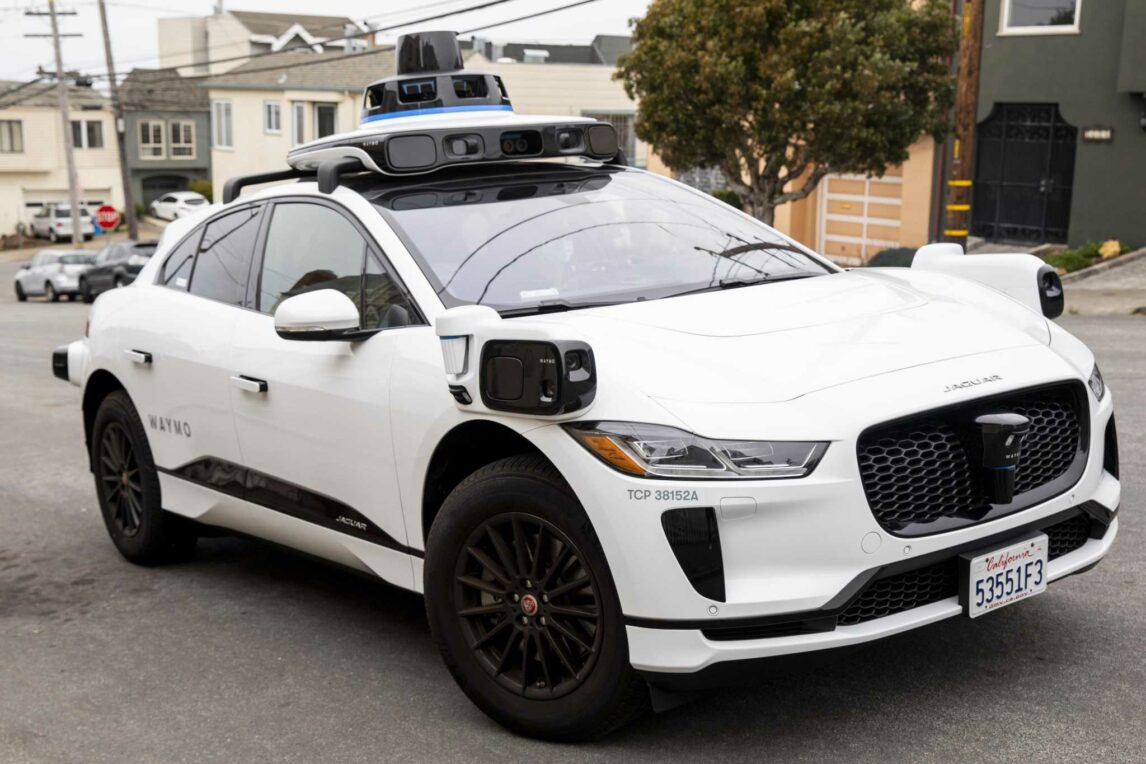
Waymo, Google’s self-driving car company, is using its latest car sensor arrays to create real-time weather maps to improve ride hailing services. Self-driving cars have struggled to function properly in adverse weather conditions, due to the sensors not functioning as well as needed. Now, their vehicles measure the raindrops on windows to detect the intensity of conditions like fog or rain, in order to make adjustments to the driving software.
Read: Amazon is laying off 10,000 employees
The technology gives Waymo a much finer-grained view of conditions than it gets from airport weather stations, radar and satellites. It can track the coastal fog as it rolls inland, or drizzle that radar would normally miss. While that’s not as important in a dry locale like Phoenix, it can be vital in San Francisco and other cities where the weather can vary wildly between neighbourhoods.
This data will also help the company, and by extension Google, improve several of its processes and services. Waymo is using the info to improve its Driver AI’s ability to handle rough weather, including more realistic simulations. The company also believes it can better understand the limits of its cars and set higher requirements for new self-driving systems.

Waymo has pointed out some limitations to this data gathering. It helps in a warm city like San Francisco, where condensation and puddles are usually the greatest problems, but they won’t be as useful for navigating snowy climates where merely seeing the lanes can be a challenge. Some critics have also said that taking these measurements could actually hamper the vehicle in its main function – driving on the roads safely.
Waymo is mere months away from offering their self-driving service legally to all customers in the aforementioned cities. The use case will prove whether or not this technology is ready to be rolled out around the world.
