

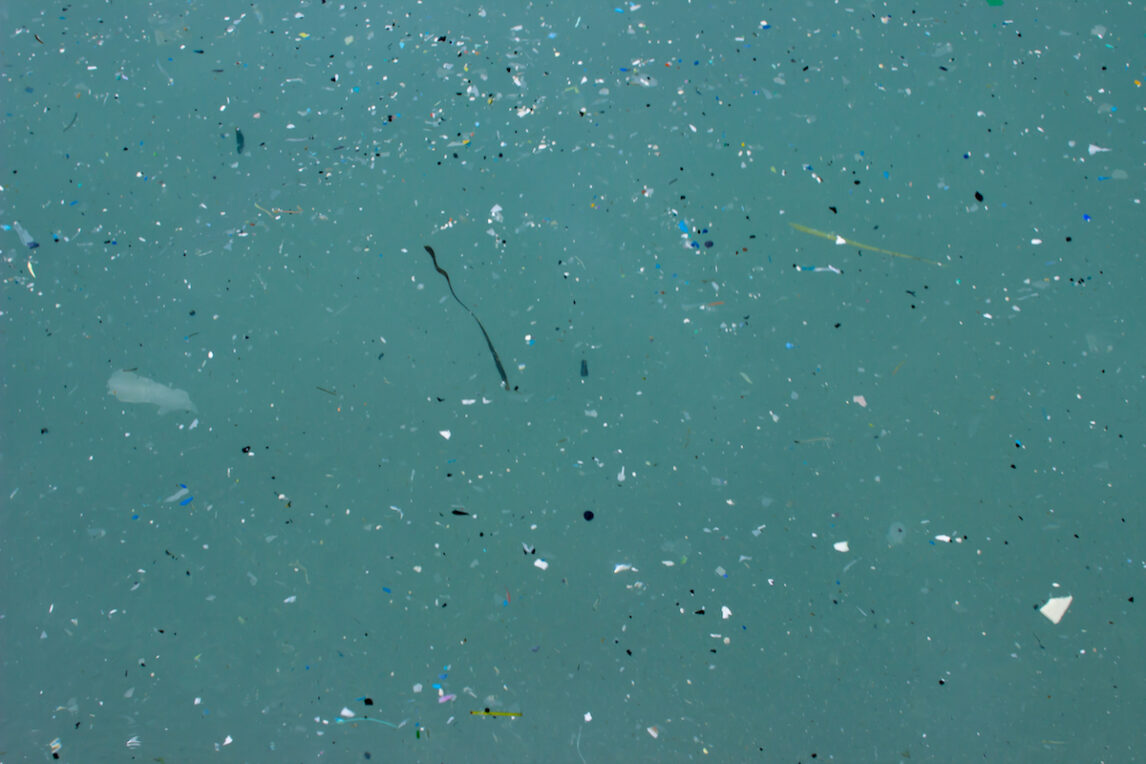
Microplastics that have seeped into the ocean have polluted the entire food chain, which eventually makes its way into our systems. It has impacted wildlife in reproduction, migration and longevity. Now it seems that the solution could’ve been staring us in the face all along. Princeton researchers have used egg whites to create a lightweight, porous aerogel that can remove microplastics and salt from seawater.
Read: South African online retailer Raru closes its doors
According to the research, when you freeze-dry and superheat the egg whites (up to 900 degrees Celsius) in an oxygen-free space, their pure protein system produces a mix of carbon fibre strands and graphene sheets that can remove 99 percent of tiny plastics from water, and 98 percent of the salt.
The researchers have identified several major benefits of using this technique. It’s cheap to make and needs only gravity to work. It won’t consume energy or excess water. Activated carbon is cheap, but it’s not nearly as effective as the egg white gel.
Of course, we are in the early stages of this research and the aerogel isn’t ready for widespread use just yet. The manufacturing process needs to be refined and expanded, but scientists believe this is an easy win for humanity. It would be comparatively easy to remove microplastics and otherwise purify water while minimizing the environmental impact. While the salt removal may create problems in oceans, it may be very helpful for desalinization in areas where fresh drinking water is difficult to find.

According to the researchers, there could be other use cases as well. The gel might also be useful for energy storage and insulation, so don’t be surprised if you one day find egg-like proteins in your walls.
Of course, this doesn’t solve overfishing and the collapse of the entire ecosystem, but researchers believe it will improve the fertility of our oceans and make the sea more abundant.
